



For SIL providers
Run a SIL house on a roster that respects the ratio.
Supported independent living is 24/7 support shared between residents. Nexrosta rosters the house — ratios, sleepovers, handovers — and splits every shift's cost across the plans it serves, so each participant is claimed for exactly their share.
Ratio rostering
One worker, three plans, split to the cent.
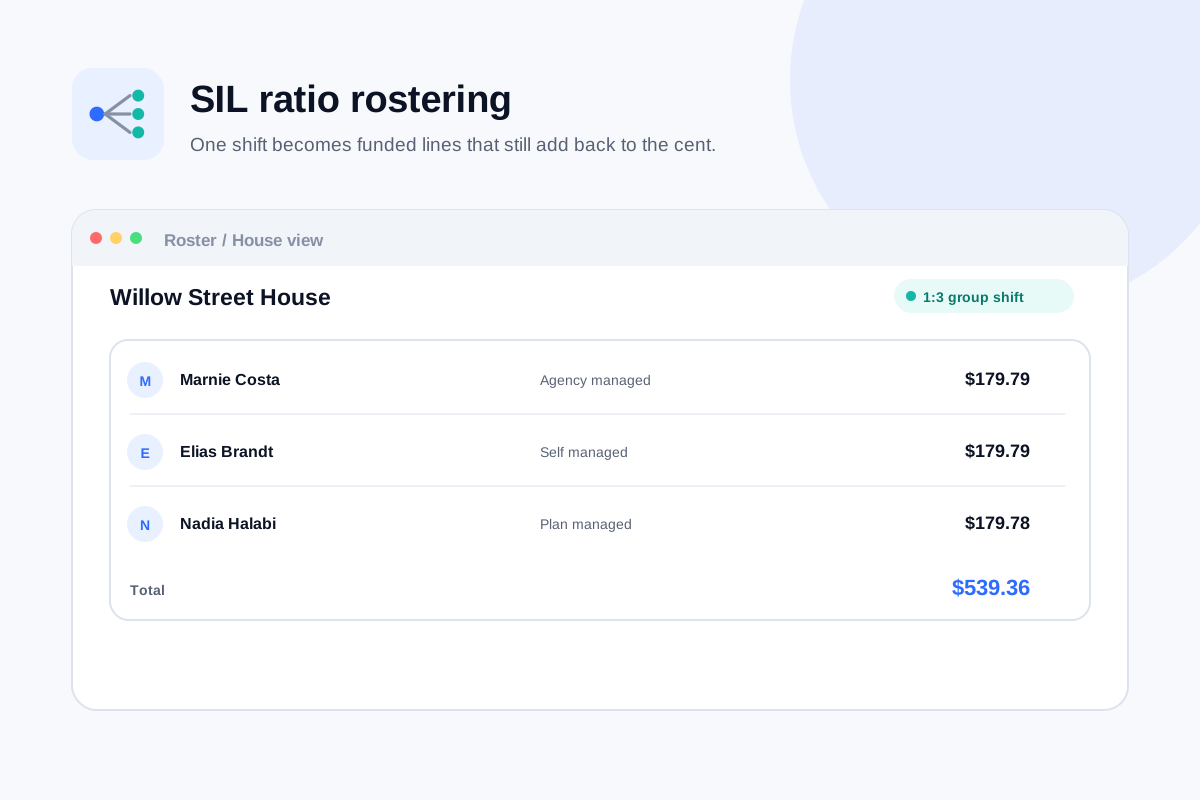
A 1:3 shift is one shift on the roster and three shares in the books. Nexrosta divides the cost across the residents' plans as you build the week — to the cent, with the rounding written down rather than lost in a spreadsheet.
- Set the ratio on the shift — 1:1, 1:2, 1:3 — and the split follows it
- Each resident's share calculated to the cent
- The rounding decision recorded, so the split can be explained later
- Every share traceable back to the one rostered shift it came from
Houses
The roster reads the way the house runs.
A SIL provider does not think in individual calendars — it thinks in houses. Nexrosta does too.
House views
Roster by house, not participant by participant. The whole week for one address on one screen — who is on, when they hand over, and where the gaps are.

Residents in place
Each house carries its residents and their plans, so a shift picks them up without re-entering who lives there every week.

House capacity checks
A roster that does not match the house — more residents on a shift than live there, or cover that leaves the house short — is flagged before the shift saves, not after it is worked.
Around the clock
Sleepovers and handovers, rostered as what they are.
A SIL roster does not end at 5pm. Nexrosta rosters overnight support against SCHADS-aware rules — no rates to memorise, no shift disguised as a different one to make the paperwork easier.
Sleepovers
Rostered as sleepovers, distinct from active overnight shifts, so the roster records what was actually worked rather than a day-shift approximation of it.
Handovers
The incoming worker is rostered to overlap the outgoing one. The handover is on the roster, which means it is on the record.
Breaks and checks
Insufficient breaks between shifts are one of the 14 conflict checks that run before a shift saves — alongside double bookings, approved leave and lapsed worker screening.
From shift to claim
One SIL shift becomes each participant's claim line.
The shift keeps one reference from roster to claim, so an auditor — or a plan manager — can follow any claim line back to the shift and the split that produced it.
The shift is worked
The worker clocks in against the rostered shift. The timesheet is the clock record — the same shift, not a retyped copy of it.
The cost is split
The ratio divides the approved time across the residents' plans, to the cent, with the rounding recorded. No plan quietly absorbs the difference.
Claim lines per participant
Each resident's share is priced against the date-effective price book and written as their own line in an NDIA bulk payment request.
Get started
Roster your first house this week.
Add one house, its residents and its worker team, and build the week from there. Every module is included from the first day.
Free forever for up to 5 users. No credit card, no trial clock.