


Features — appointments
Book the session once. Claim what was delivered.
Allied health teams serving NDIS participants book sessions, not just shifts. Nexrosta runs appointment-style bookings beside the roster — with reminders in the worker app, clock-in evidence at the visit, honest cancellation records and a claim line at the end.
Bookings
An appointment is not a shift. Both belong on one system.
A therapy session is booked for a named participant at a time; a rostered shift covers hours. Many organisations run both, and splitting them across two tools means two diaries, two sources of truth and a clinician double-booked between them.
Appointment-style bookings
Book a participant with a clinician at a time. Move the session and the record moves with it — the reminder, the evidence and the claim all follow the same booking.
Beside the roster
Appointments and rostered shifts sit on the same calendar. A therapist who also works rostered hours has one diary, and a coordinator sees both in one view.
One record per visit
The booking carries the participant, the clinician, the time and the support item. Everything downstream references this record instead of retyping it.
Appointments and shifts share day, week and per-clinician views — see the calendar.
Reminders and evidence
The clinician knows. The visit leaves a record.
A booked appointment reaches the worker's phone the way a published shift does. The reminder and the clock-in belong to the same record, so proving the visit happened takes no extra step.
- The appointment appears in the worker app with time, place and participant — reminders come from the app, not a separate message thread
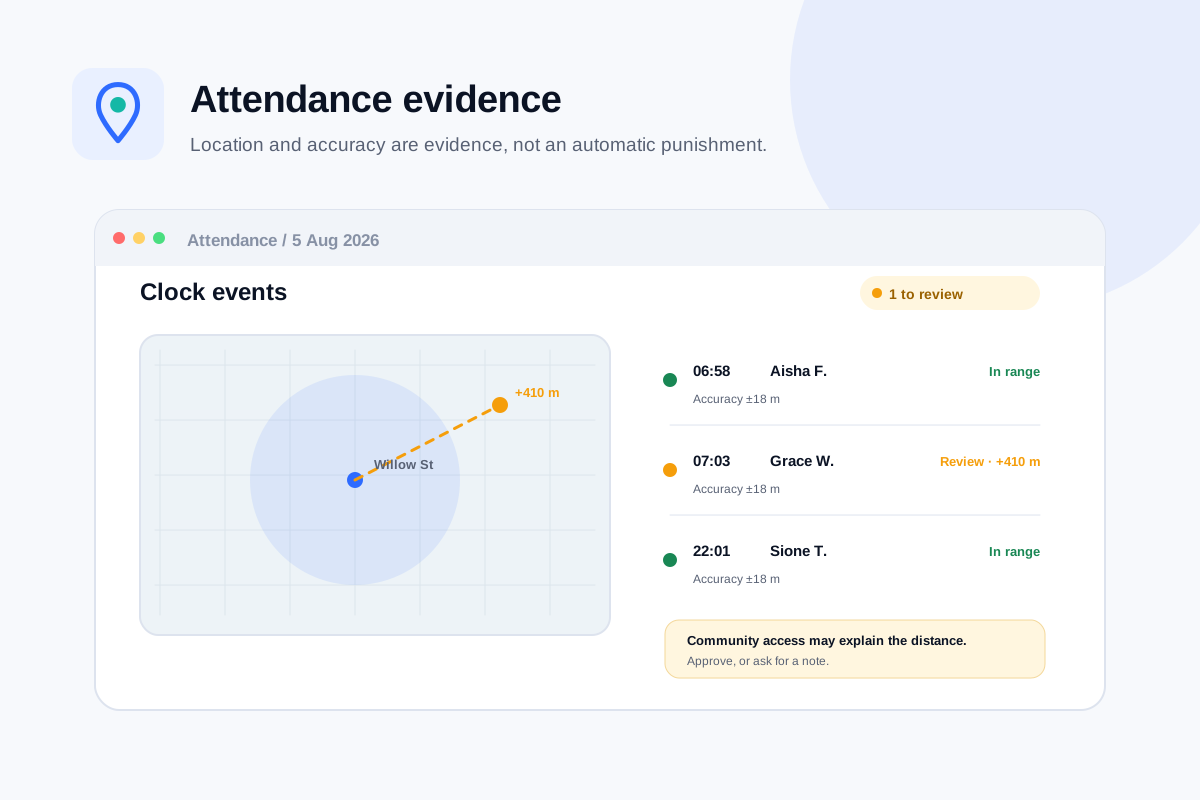
- One tap to clock in at the visit; GPS records location with the accuracy radius of the reading
- Out of range is flagged amber for a manager to review — never auto-rejected, because therapy happens in homes, schools and the community
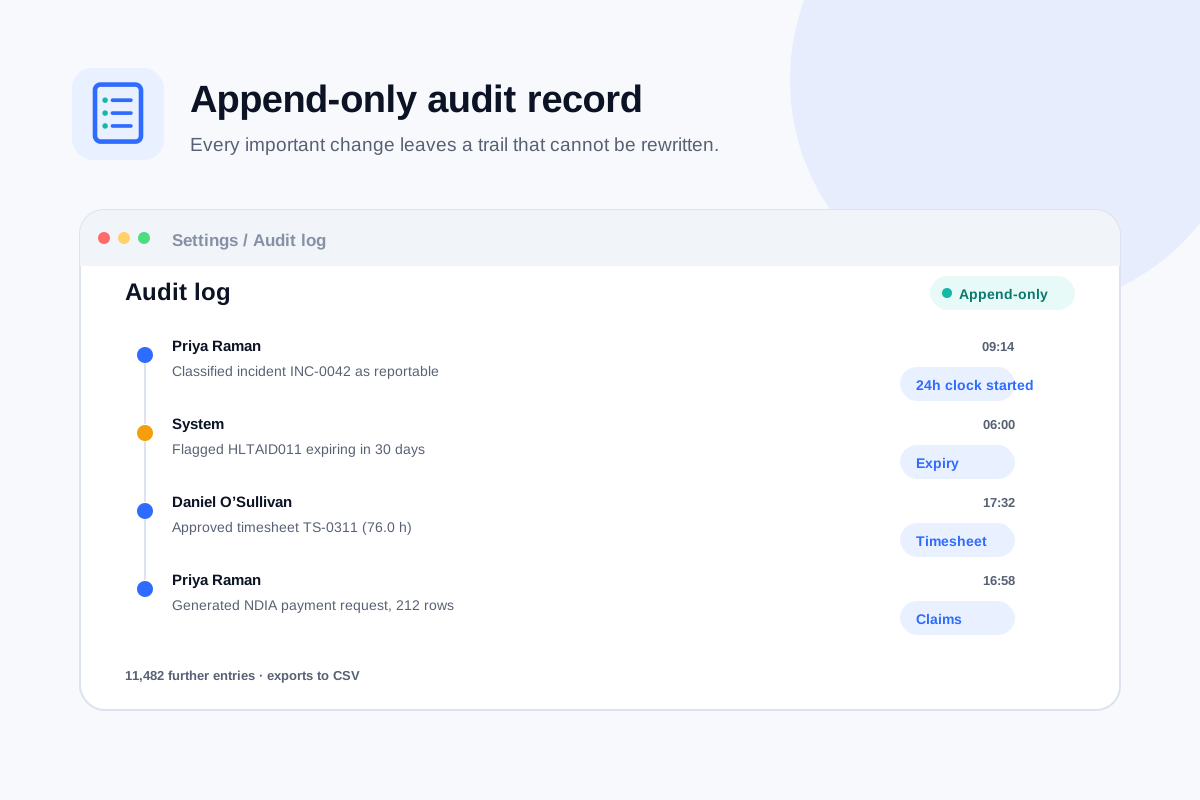
- Every clock event is written to the append-only audit log
Cancellations
Cancellations recorded as what they were.
Sessions get cancelled — by illness, by families, by a school closing early. What matters afterwards is an honest record: who cancelled, when, and how much notice was given. Nexrosta keeps that record; it does not decide what you charge.
- Cancelling an appointment records what happened and when — the booking is marked, never deleted
- The notice given sits on the record, so a short-notice cancellation is identifiable later without reconstructing it from memory
- The NDIS Pricing Arrangements set out when a short-notice cancellation can be claimed — Nexrosta keeps the record; the claiming decision stays with you
- The cancellation lands in the append-only audit log, alongside who made the change
To the claim
The session you delivered becomes the line you claim.
Because the booking already holds who was seen, by whom, for how long and under which support item, the claim is a consequence of the appointment — not a second data entry job on Friday afternoon.
- Delivered appointments price against the date-effective price book — the one in force on the day of the session
- Claim lines are checked against the participant's plan and the price book before an NDIA bulk payment request file is written
- Nothing slides into a claim silently — every line traces back to the appointment it came from, and the clock record behind it
Related
Get started
Book your first appointment beside the roster.
Add your clinicians and participants, or import them from CSV, and book the first session. The reminder, the clock-in and the claim line follow from there.
Free forever for up to 5 users. No credit card, no trial clock.